

Understanding Different Roofing Materials: Pros and Cons
Choosing the right roofing material is a crucial decision that affects your home’s aesthetics, energy efficiency, and overall durability. With a variety of options available, each with its own advantages and drawbacks, it’s essential to understand the characteristics of each material to make an informed choice. This guide will walk you through the most popular roofing materials, highlighting their pros and cons to help you determine the best fit for your home.
1. Asphalt Shingles
Pros:
- Affordability: Asphalt shingles are one of the most cost-effective roofing materials available, making them a popular choice for budget-conscious homeowners.
- Variety: They come in a wide range of colors and styles, allowing for customization to match your home’s exterior.
- Ease of Installation: Asphalt shingles are relatively easy to install, which can reduce labor costs.
- Durability: They can last 15 to 30 years, depending on the climate and maintenance.
Cons:
- Lifespan: While durable, asphalt shingles have a shorter lifespan compared to some other materials.
- Environmental Impact: They are petroleum-based and not as environmentally friendly as other options.
- Susceptibility to Weather: Extreme weather conditions, such as high winds or hail, can damage asphalt shingles.
2. Metal Roofing
Pros:
- Longevity: Metal roofs are extremely durable and can last 40 to 70 years with proper maintenance.
- Energy Efficiency: They reflect solar heat, reducing cooling costs in hot climates.
- Recyclability: Metal roofing is often made from recycled materials and is fully recyclable at the end of its life.
- Weather Resistance: Metal roofs are highly resistant to wind, rain, and fire.
Cons:
- Cost: The initial cost of metal roofing is higher than asphalt shingles.
- Noise: Rainfall on a metal roof can be noisier unless additional insulation is installed.
- Expansion and Contraction: Metal expands and contracts with temperature changes, which can lead to fastener issues over time.
3. Wood Shakes and Shingles
Pros:
- Natural Aesthetic: Wood offers a classic and natural look that enhances the beauty of many architectural styles.
- Insulation Properties: Wood provides good insulation, helping to regulate indoor temperatures.
- Longevity: With proper care, wood shakes can last up to 30 years.
Cons:
- Maintenance: Wood requires regular maintenance to prevent rot, mold, and insect infestations.
- Fire Risk: Without treatment, wood is more susceptible to fire damage.
- Cost: Wood shakes are more expensive than asphalt shingles.
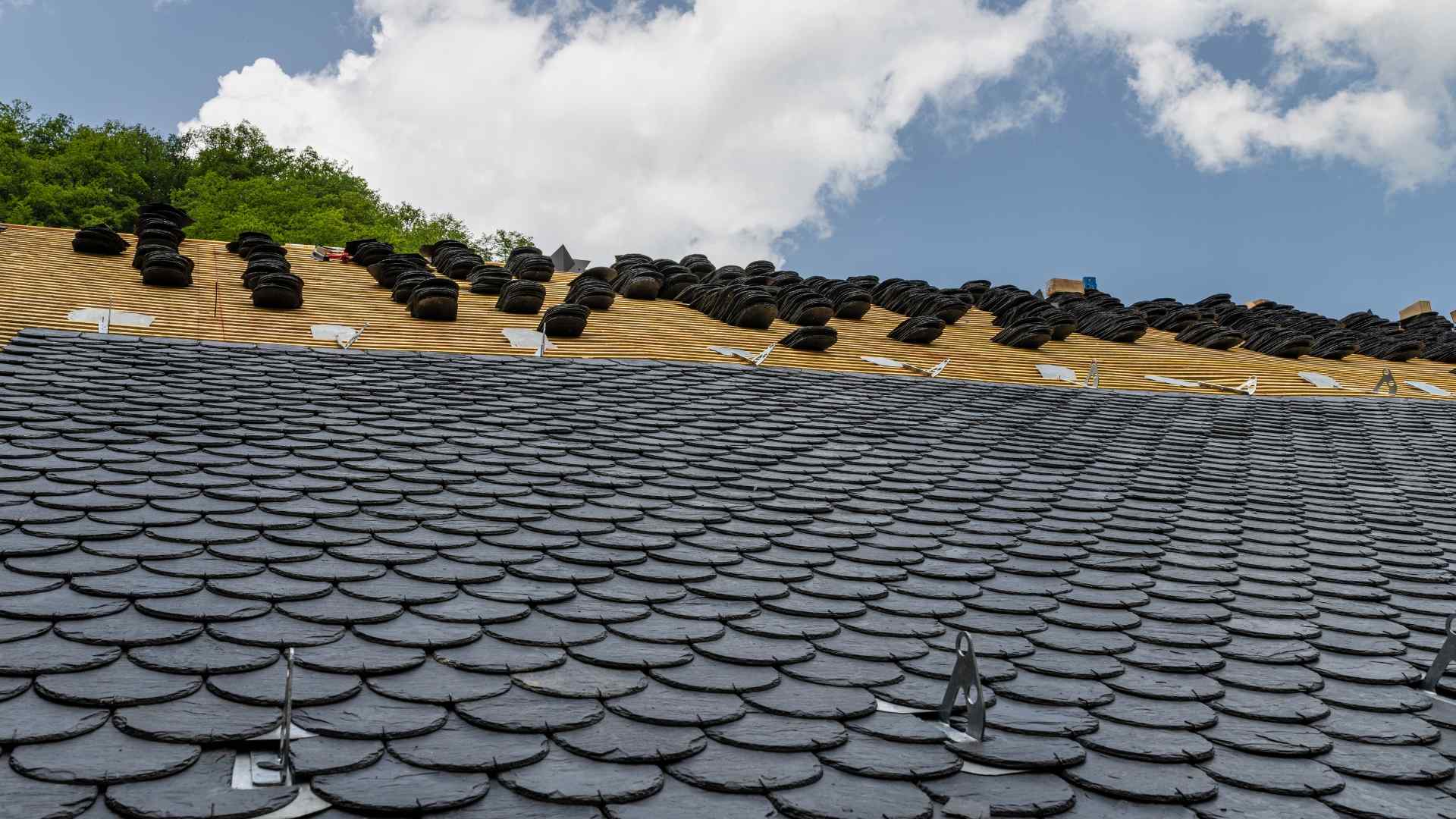
4. Slate Roofing
Pros:
- Exceptional Durability: Slate is incredibly durable and can last over 100 years with minimal maintenance.
- Aesthetic Appeal: Known for its elegant appearance, slate adds significant value and curb appeal to a home.
- Fire Resistance: Slate is completely fireproof.
Cons:
- Weight: Slate is very heavy, which may require additional structural support for your home.
- Cost: It is one of the most expensive roofing materials in terms of both material and installation costs.
- Fragility: While durable, slate can crack if walked on or improperly handled during installation.
5. Clay and Concrete Tiles
Pros:
- Durability: Both clay and concrete tiles are long-lasting, with lifespans of 50 years or more.
- Weather Resistance: They perform well in hot climates and are resistant to fire and insect damage.
- Aesthetic Variety: Available in various colors and styles, they complement Mediterranean, Spanish, and Southwestern architecture.
Cons:
- Weight: These tiles are heavy and may require additional structural support.
- Cost: The initial cost is higher than asphalt shingles, although lower than slate.
- Brittleness: Clay tiles can be brittle and may crack under impact or heavy foot traffic.
6. Synthetic Roofing Materials
Pros:
- Versatility: Synthetic materials can mimic the appearance of wood, slate, or tile at a lower cost.
- Lightweight: They are lighter than natural materials like slate or tile, reducing structural support requirements.
- Durability: Many synthetic options offer good resistance to weather-related damage.
Cons:
- Quality Variation: The quality and durability of synthetic materials can vary significantly between manufacturers.
- Newer Technology: As a newer option, they may not have the long-term performance history of traditional materials.
Conclusion
When selecting a roofing material, consider factors such as your budget, climate, home’s architectural style, and long-term maintenance needs. Each material offers unique benefits and challenges, so it’s important to weigh these against your specific requirements. By understanding the pros and cons of different roofing materials, you can make an informed decision that enhances your home’s value and protects it for years to come.